Gaming routers are purpose-built for low latency, high throughput, and network stability during online play. Unlike standard routers, they include hardware and software features designed to keep your gaming traffic ahead of everything else on your network.
The biggest advantage of a gaming router is Quality of Service (QoS) prioritization. This feature identifies gaming packets and pushes them to the front of the line, reducing lag even when other devices on your network are streaming, downloading, or video calling. Many gaming routers use adaptive or AI-driven QoS engines that handle this automatically.
Modern gaming routers typically support Wi-Fi 6 or Wi-Fi 6E, delivering speeds from 3,000 Mbps to over 10,000 Mbps across dual-band or tri-band configurations. Key specs to look for include a 1 GHz or faster processor, at least 512 MB of RAM, MU-MIMO support, and a 2.5G WAN port for multi-gig internet plans. Tri-band models dedicate a separate band to gaming traffic, which helps reduce congestion in busy households.
Wired connections still offer the most consistent performance. Look for models with multiple Gigabit or 2.5G Ethernet LAN ports so you can hardwire your PC, console, or both. Some gaming routers also include built-in VPN support, open-source firmware compatibility, and geo-filtering tools that let you control which servers you connect to.
Whether you play competitive FPS titles, run a home game server, or just want a reliable network for online co-op, a gaming router gives you more control over your connection than a standard router or ISP gateway ever will.



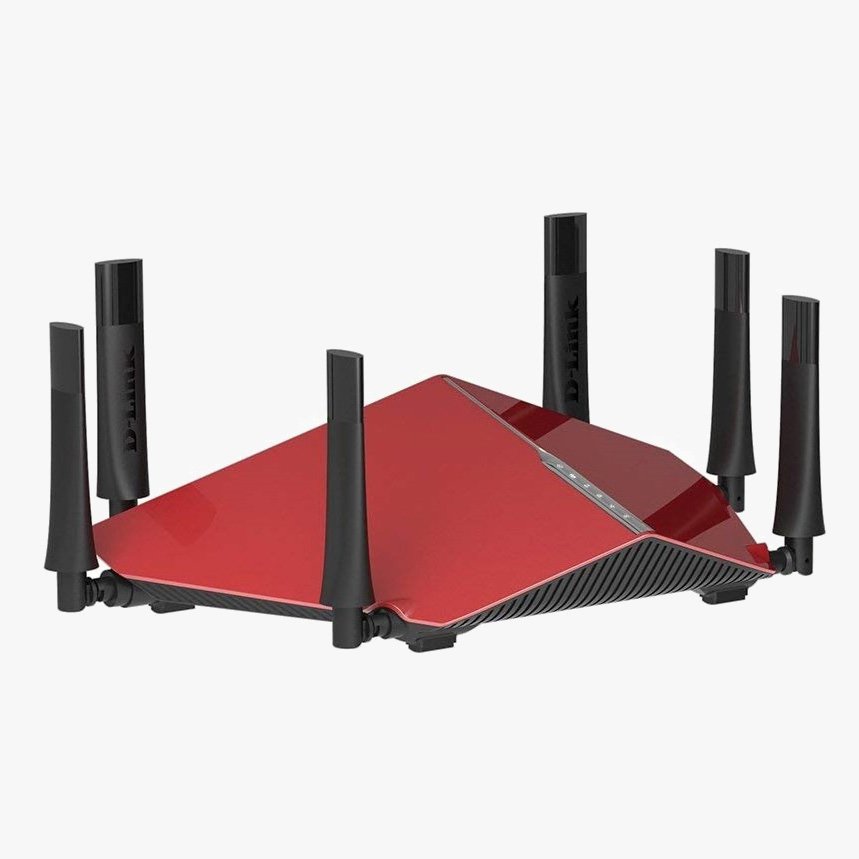


 Wireless Routers
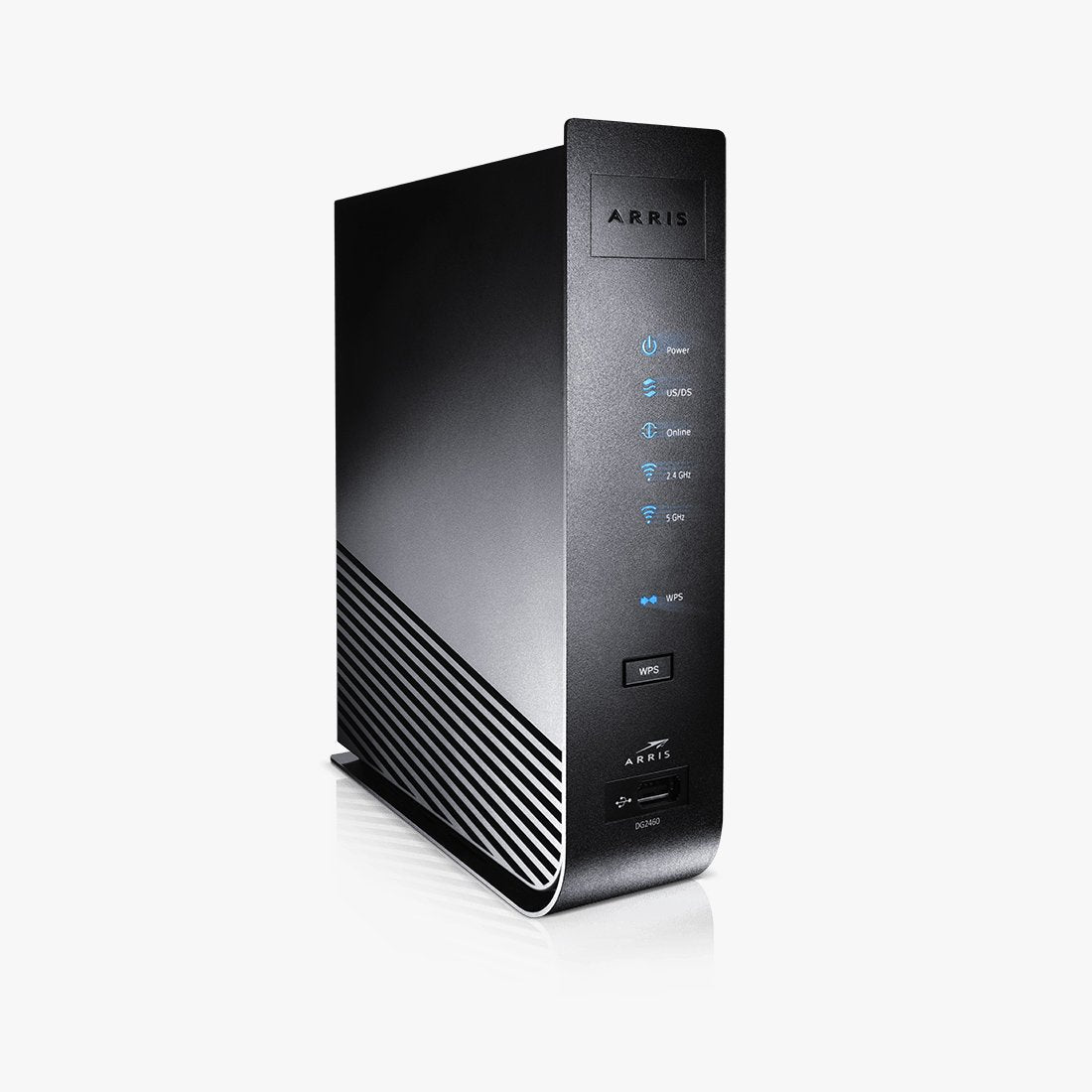 Cable Modems
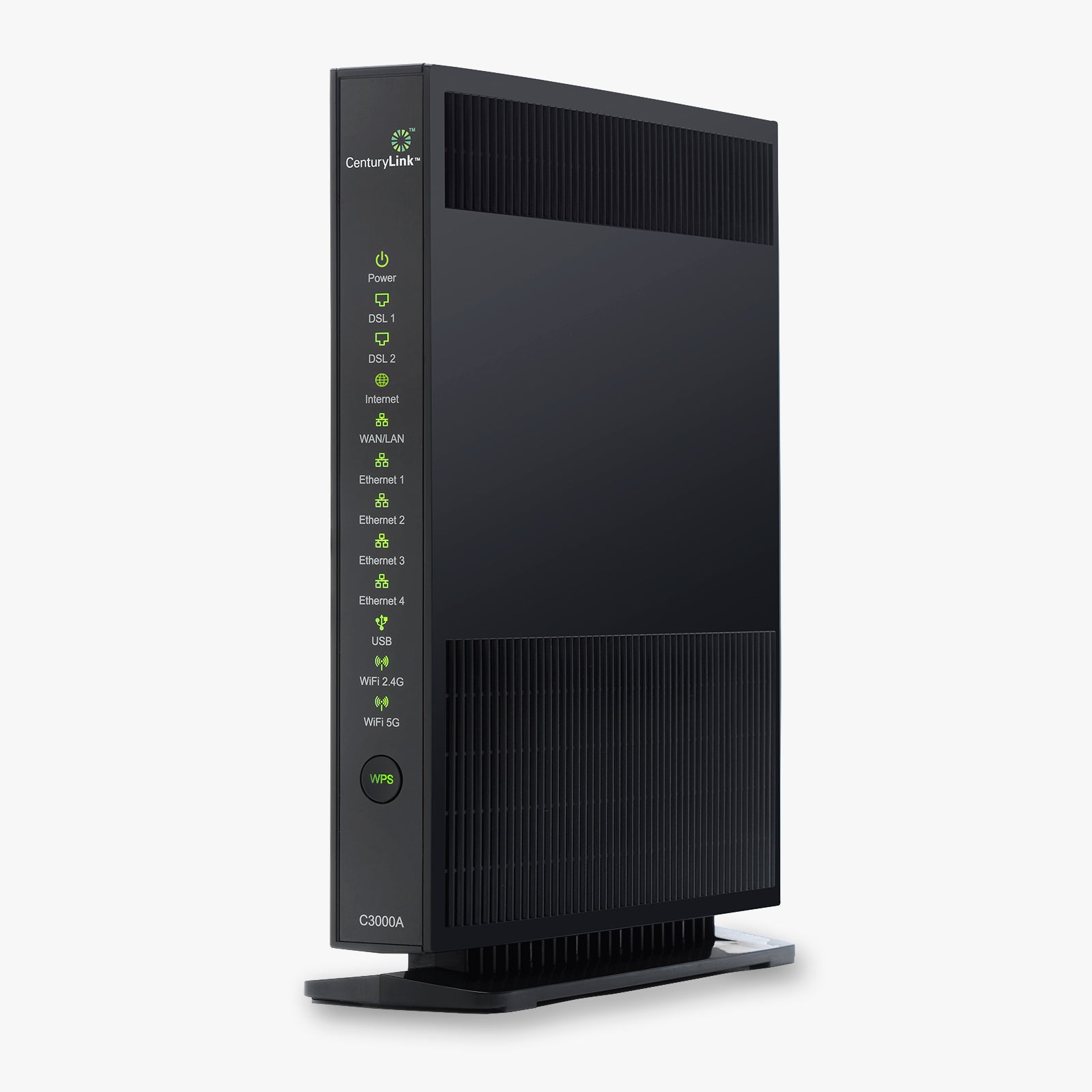 DSL Modems
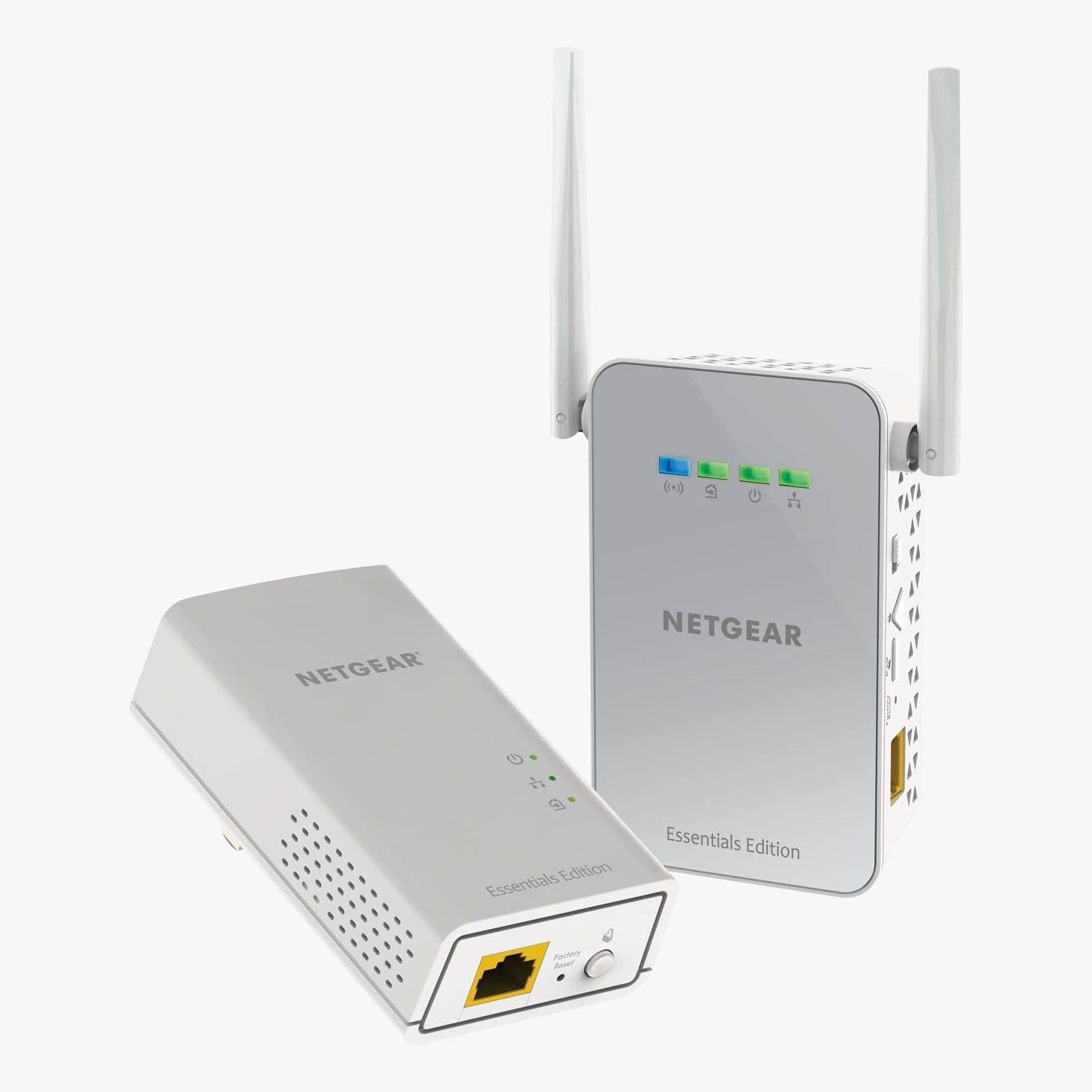 WiFi Range Extenders
