Dual Band WiFi Networking Devices
Dual band WiFi devices operate on two separate radio frequencies at the same time: 2.4GHz and 5GHz. Whether you are looking at a modem with built-in WiFi, a standalone router, a range extender, or a wireless access point, dual band support gives your network two distinct lanes for traffic. The result is faster speeds, lower latency, and fewer dropped connections throughout your home or office.
How Dual Band WiFi Works
The 2.4GHz band covers longer distances and passes through walls more easily, making it a strong choice for smart home devices, security cameras, and anything positioned far from your main equipment. The 5GHz band delivers faster speeds over shorter distances, which is ideal for streaming 4K video, online gaming, and video calls. Dual band devices let you use both frequencies at once, so each connected device lands on the band that suits it best.
Key Benefits
Running two bands reduces network congestion, especially in apartments or dense neighborhoods where dozens of nearby networks compete on the same 2.4GHz channel. The 5GHz band offers significantly less interference and higher throughput. Most dual band devices also support band steering, which automatically guides compatible clients to the less crowded frequency without any manual configuration on your end.
Types of Dual Band Devices
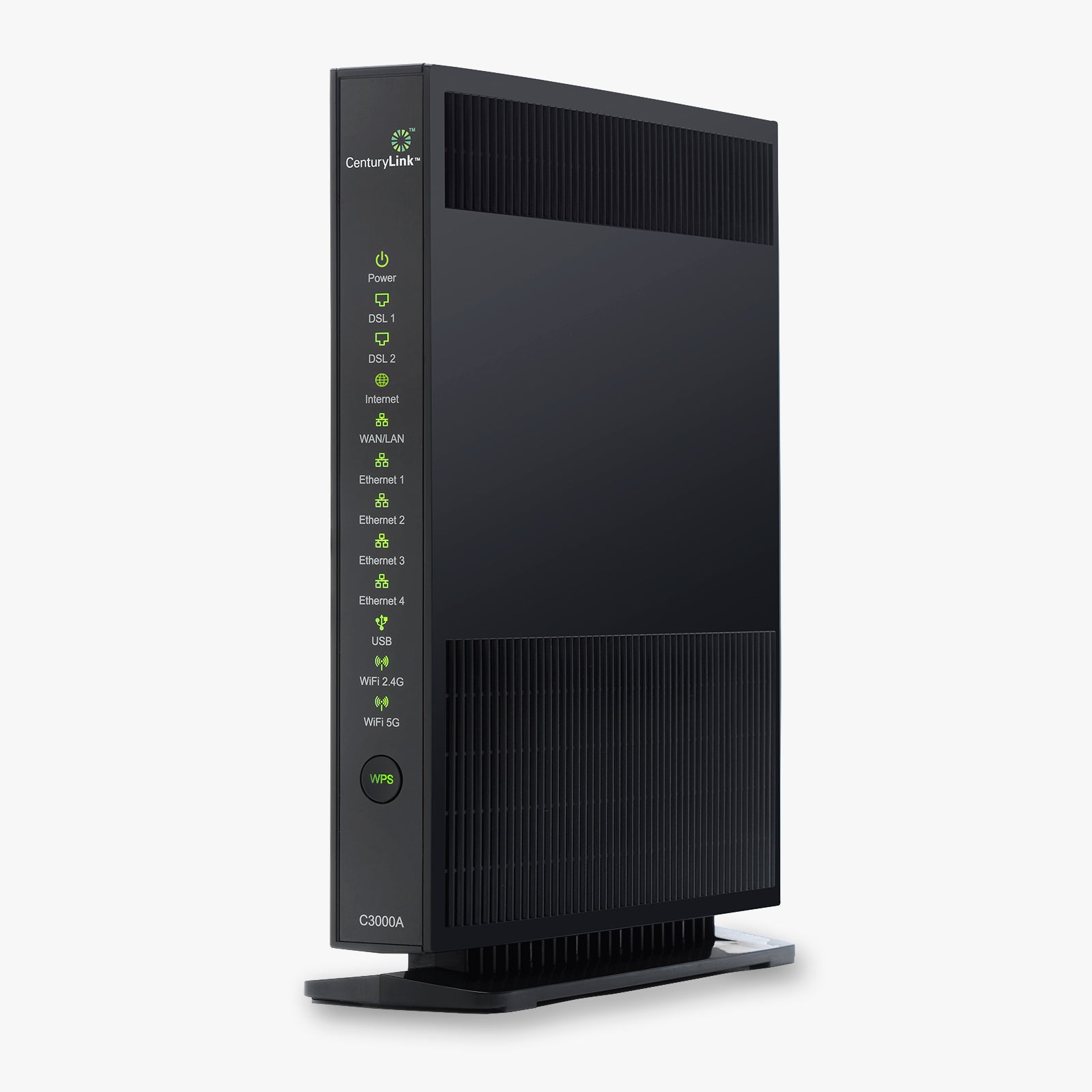
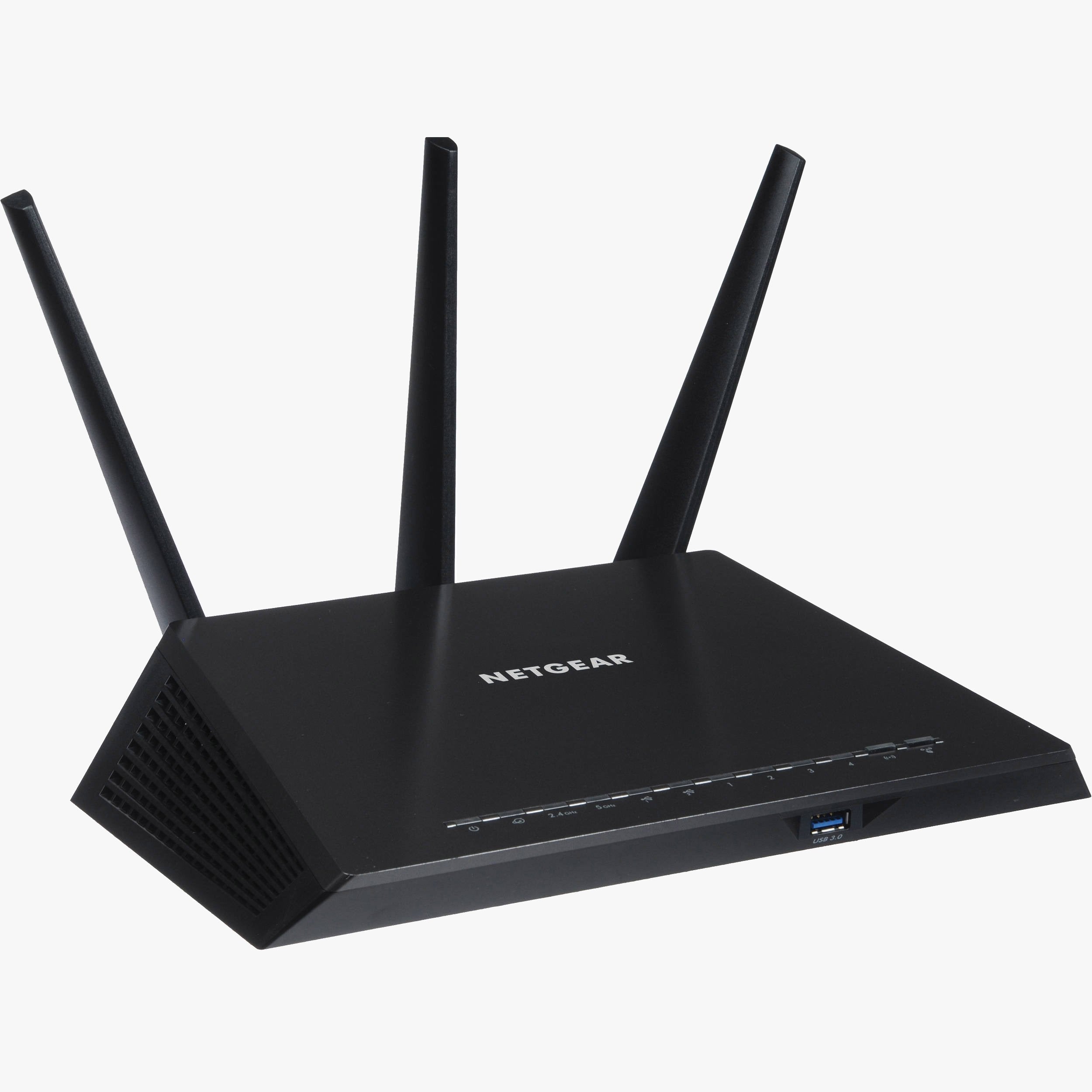
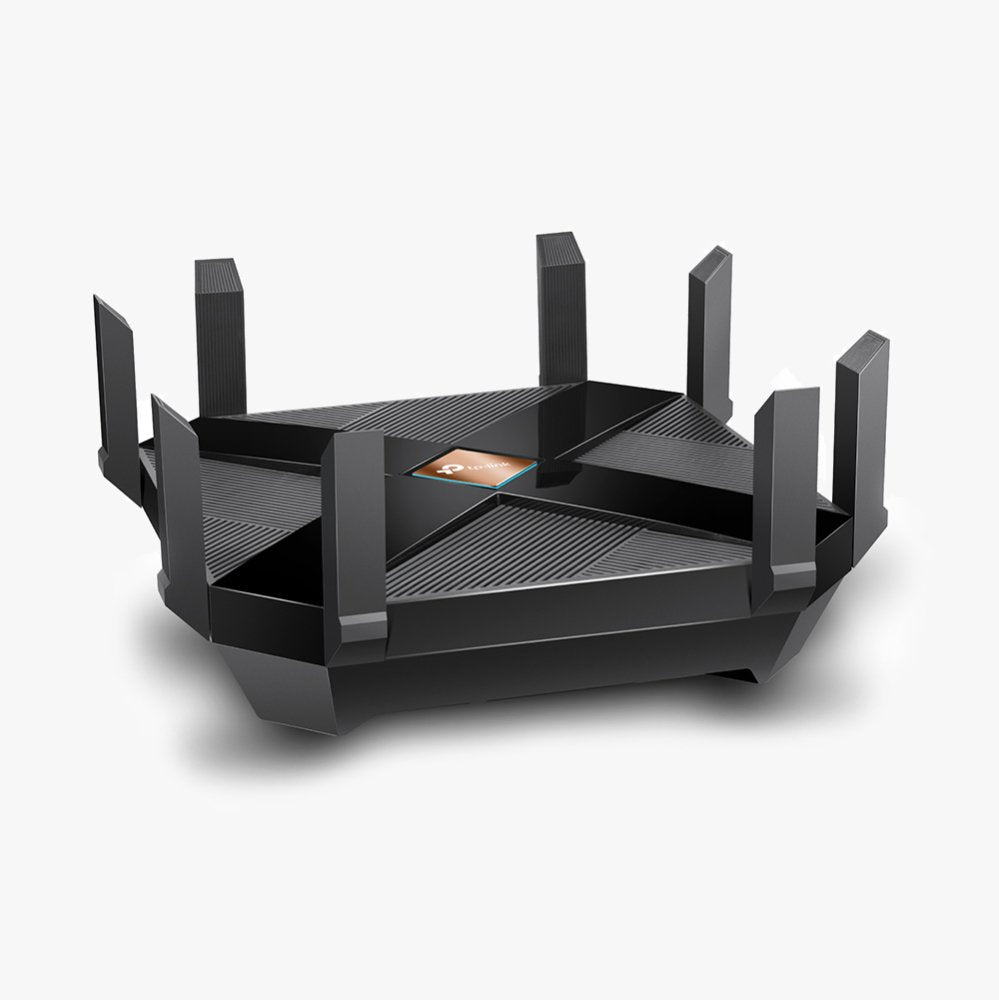
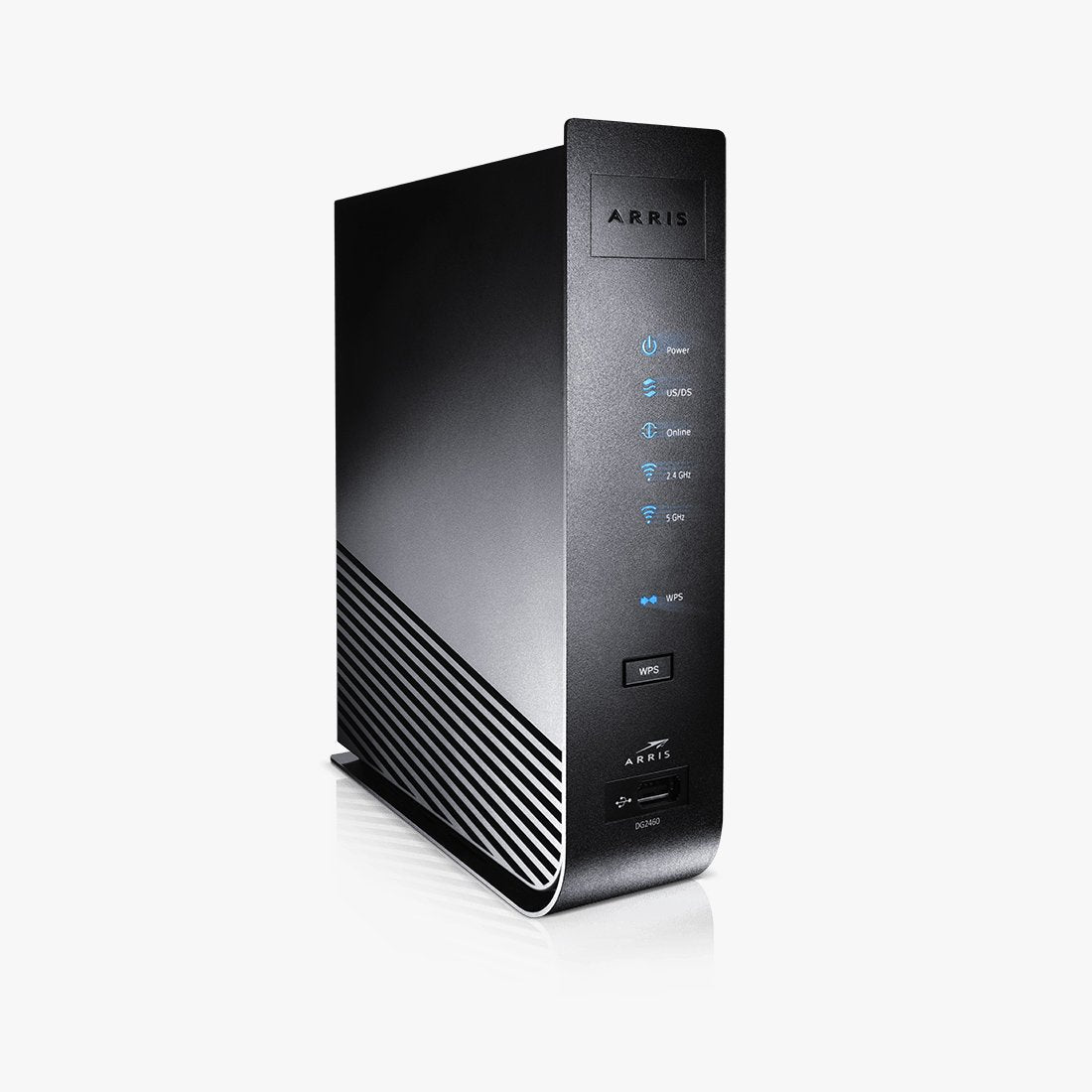
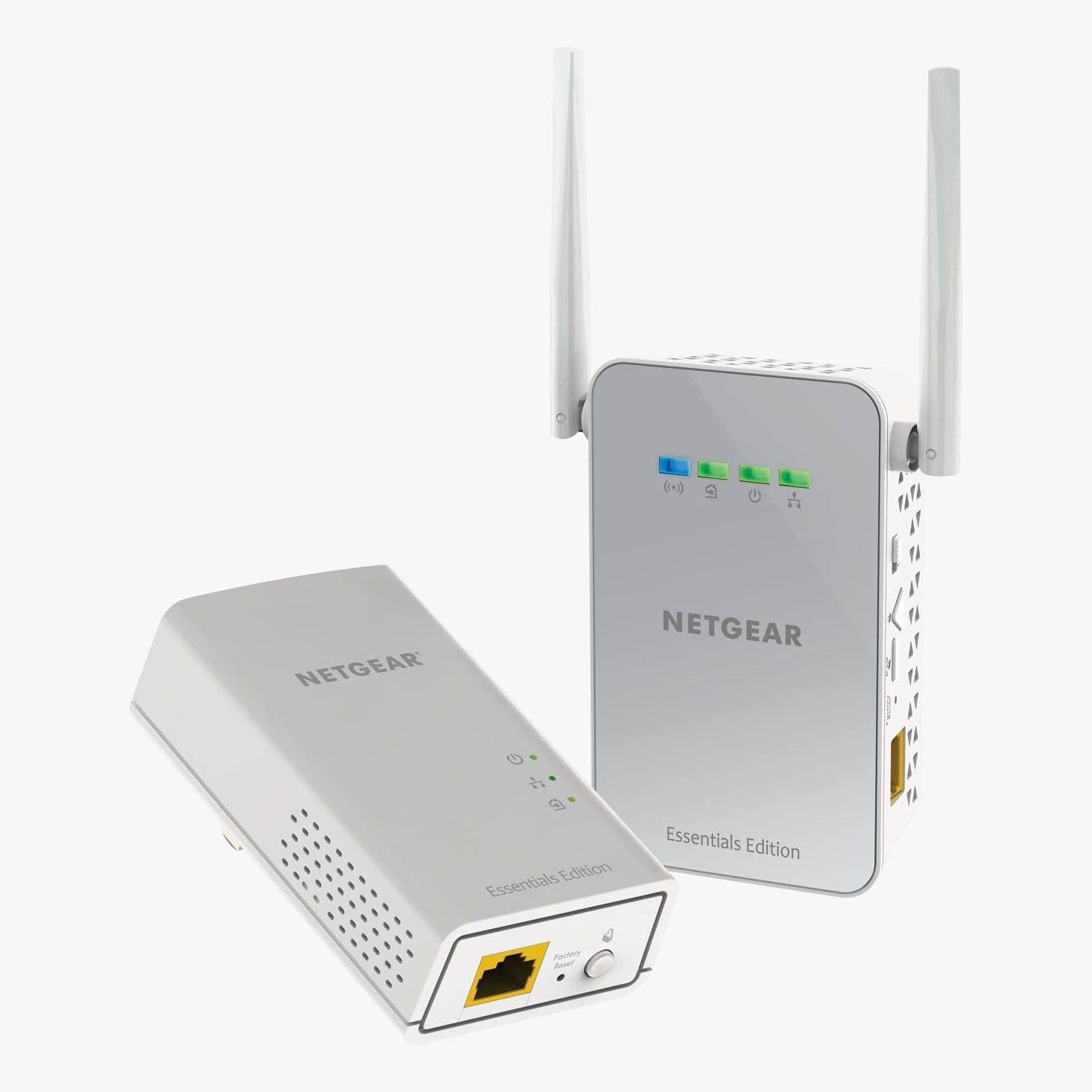
This category includes several types of networking equipment. Gateway modems with built-in dual band WiFi combine your internet connection and wireless network into a single device, reducing clutter and simplifying setup. Standalone routers pair with a separate modem and give you more control over your wireless network. Range extenders pick up your existing signal and rebroadcast it on both bands to eliminate dead zones. Wireless access points connect to your router or switch over Ethernet and add dual band WiFi coverage to areas your main equipment cannot reach on its own.
What to Look For
When choosing a dual band device, pay attention to the WiFi standard it supports. WiFi 5 (802.11ac) models are affordable and still capable for most households. WiFi 6 (802.11ax) models add faster speeds, better performance with many connected devices, and improved power efficiency for phones and tablets. Look for Gigabit Ethernet ports, MU-MIMO, and beamforming for the best performance across all your devices. For modem gateways, make sure the device is compatible with your ISP and supports the DOCSIS or DSL standard your connection requires.
Who Should Choose Dual Band
Dual band devices are the right fit for most homes with up to 20 or so connected devices. They handle everyday browsing, streaming, smart home gadgets, and remote work without issue. If your household runs heavier workloads or has 30 or more devices competing for bandwidth, consider stepping up to tri-band equipment for that extra dedicated backhaul channel.









 Wireless Routers
 Cable Modems
 DSL Modems
 WiFi Range Extenders
