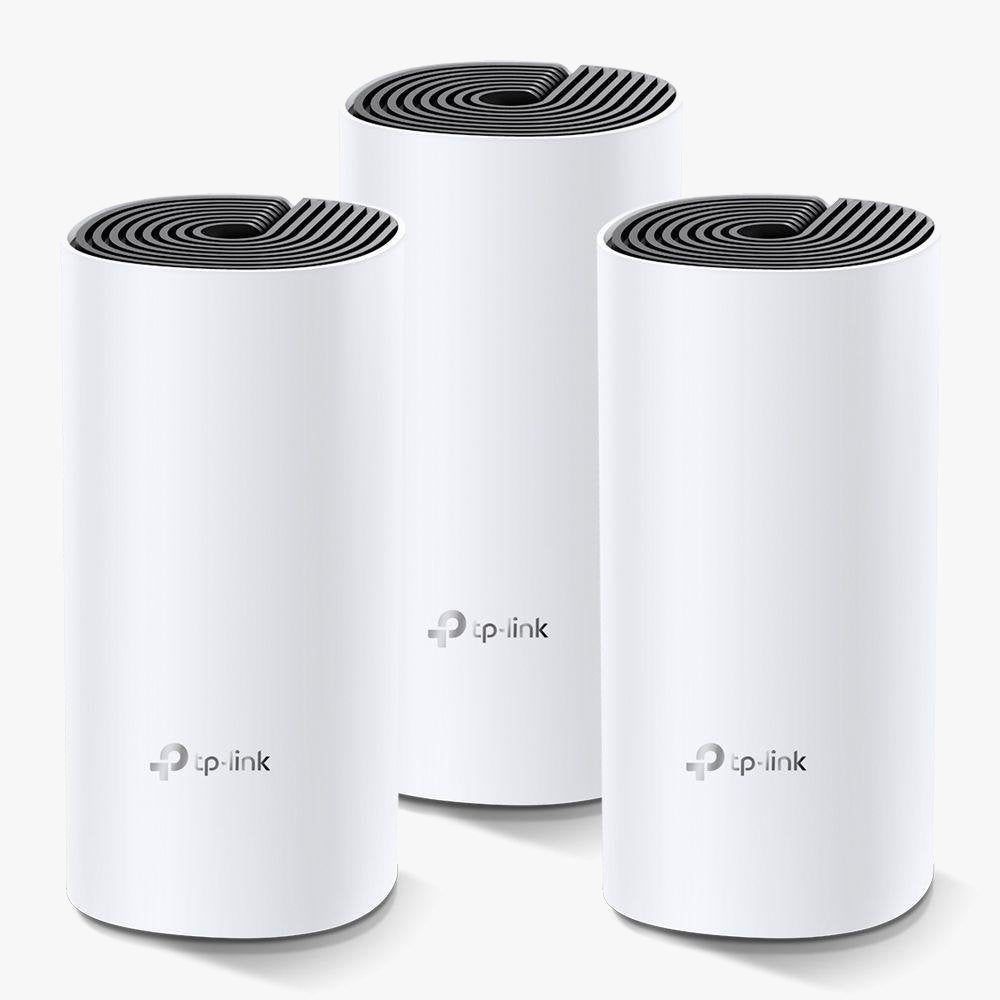
Mesh network systems use two or more interconnected nodes to deliver consistent WiFi coverage throughout your entire home. Unlike traditional routers that broadcast from a single point, mesh systems spread multiple access points across your space, creating a unified network that automatically hands off your connection as you move from room to room.
Why Choose a Mesh System
A mesh network is the best solution for homes over 1,500 square feet, multi-story layouts, or any space where a single router leaves dead zones. Every node communicates with the others, so your devices always connect to the strongest available signal without you having to switch networks manually. Most mesh systems also manage a single network name (SSID) across all nodes, keeping the experience simple for every device in your household.
Key Specs to Consider
When comparing mesh systems, pay attention to WiFi standard support (WiFi 6, WiFi 6E, or WiFi 7), the number of nodes included, total coverage area in square feet, available Ethernet ports per node, and whether the system uses a dedicated wireless backhaul channel. Dedicated backhaul keeps traffic between nodes separate from your device traffic, which helps maintain faster speeds as you add more nodes. Tri-band and quad-band models typically offer this advantage over dual-band systems.
Who Benefits Most
Mesh systems are ideal for households with many connected devices, remote workers who need reliable video calls from any room, and families tired of buffering in far corners of the house. They are also a strong choice for anyone who wants a simple setup process, since most mesh kits are managed through a mobile app with step-by-step instructions and no technical knowledge required.
Browse our selection of mesh network systems below to find the right fit for your home size, speed needs, and budget.






 Wireless Routers
 Cable Modems
 DSL Modems
 WiFi Range Extenders
