What Is a Dual Band Router?
A dual band router is a router that broadcasts home Wi-Fi on two frequency bands at the same time: the 2.4 GHz band and the 5 GHz band. Instead of every phone, laptop, and smart plug crowding onto a single band, a dual band router gives your network two separate lanes for traffic. The result is faster internet speeds, lower latency, and fewer dropped connections. This collection includes dual band routers along with modem router combos, mesh systems, range extenders, and access points that all work the same way.
How the 2.4 GHz and 5 GHz Bands Work Together
The 2.4 GHz band travels farther and passes through walls more easily, which makes it the right lane for smart home devices, security cameras, and anything far from your router. The tradeoff is congestion: microwaves, cordless phones, baby monitors, and your neighbors' networks all compete on the same handful of 2.4 GHz channels. The 5 GHz band delivers much faster speeds over shorter distances with far less interference, which is ideal for 4K streaming, online gaming, and video calls. A dual band router runs both frequency bands at once, and most models include band steering that automatically places each device on the band that suits it best.
Dual Band vs Single Band
A single band router only broadcasts on 2.4 GHz, so every device in the house shares one crowded frequency. That was fine when a home had a laptop and a printer, but a modern household with streaming TVs, phones, and smart home gear will feel the slowdown quickly. Upgrading from single band to dual band is one of the most noticeable improvements you can make to home Wi-Fi without changing your internet plan.
Types of Dual Band Devices in This Collection
Gateway modems with built-in dual band WiFi combine your internet connection and wireless network in one device, cutting clutter and simplifying setup. Standalone wireless routers pair with a separate cable modem or DSL modem and give you more control over your network. Mesh network systems spread both bands across multiple nodes for whole-home coverage. WiFi range extenders rebroadcast your existing signal on both bands to clear up dead zones, and access points add dual band coverage over an Ethernet run.
What to Look For
Pay attention to the WiFi standard. WiFi 5 (802.11ac) models are affordable and still capable for most households. WiFi 6 (802.11ax) models add faster speeds, better performance with many connected devices, and improved battery efficiency for phones and tablets. Gigabit Ethernet ports, MU-MIMO, and beamforming all help squeeze the most out of your internet speeds. If you are shopping a modem gateway, confirm it is approved by your ISP and matches the DOCSIS or DSL standard your connection uses. For maximum wired throughput, browse our gigabit compatible routers.
Who Should Choose Dual Band
Dual band equipment is the right fit for most homes with up to roughly 20 connected devices. It handles browsing, streaming, smart home gadgets, and remote work without issue. If your household runs 30 or more devices or heavy simultaneous workloads, a tri-band router adds a dedicated extra band that keeps things moving.
Why Buy Refurbished from ModemGuides
Every dual band router and modem we sell is Grade A refurbished, hand-tested in the US, and backed by a 90-day warranty with free 30-day returns. Supported modems also carry our activation guarantee, so if your ISP will not activate it, we make it right. Buying refurbished gets you the same hardware and the same speeds for a fraction of retail, and it keeps working equipment out of landfills.
Frequently Asked Questions
What is the difference between dual band and dual band simultaneous?
Nearly all modern dual band routers are simultaneous, meaning they broadcast 2.4 GHz and 5 GHz at the same time. Some very old models were selectable, forcing you to pick one band. Everything in this collection broadcasts both bands at once.
Should I use one network name or two?
Most dual band routers let you merge both bands under one network name and steer devices automatically, or split them into separate names so you can choose the band per device. One name is simpler; two names give you manual control for stubborn smart home devices that only support 2.4 GHz.
Does a dual band router make my internet faster?
It cannot exceed the speed of your internet plan, but it usually improves real-world performance by moving capable devices onto the faster, less congested 5 GHz band and reducing interference from cordless phones, microwaves, and neighboring networks.
Is dual band enough for gaming and streaming?
Yes for most homes. The 5 GHz band handles 4K streaming and online gaming comfortably. Households with very heavy simultaneous use may benefit from tri-band or WiFi 6 equipment.
Do dual band routers work with any internet provider?
Standalone routers work with any provider since they connect behind your modem. Modem router combos are ISP-specific, so check that the model is approved by your provider before buying.
Will old devices still connect to a dual band router?
Yes. The 2.4 GHz band is backward compatible with older WiFi devices, so legacy laptops, printers, and smart home gear connect normally while newer devices use 5 GHz.




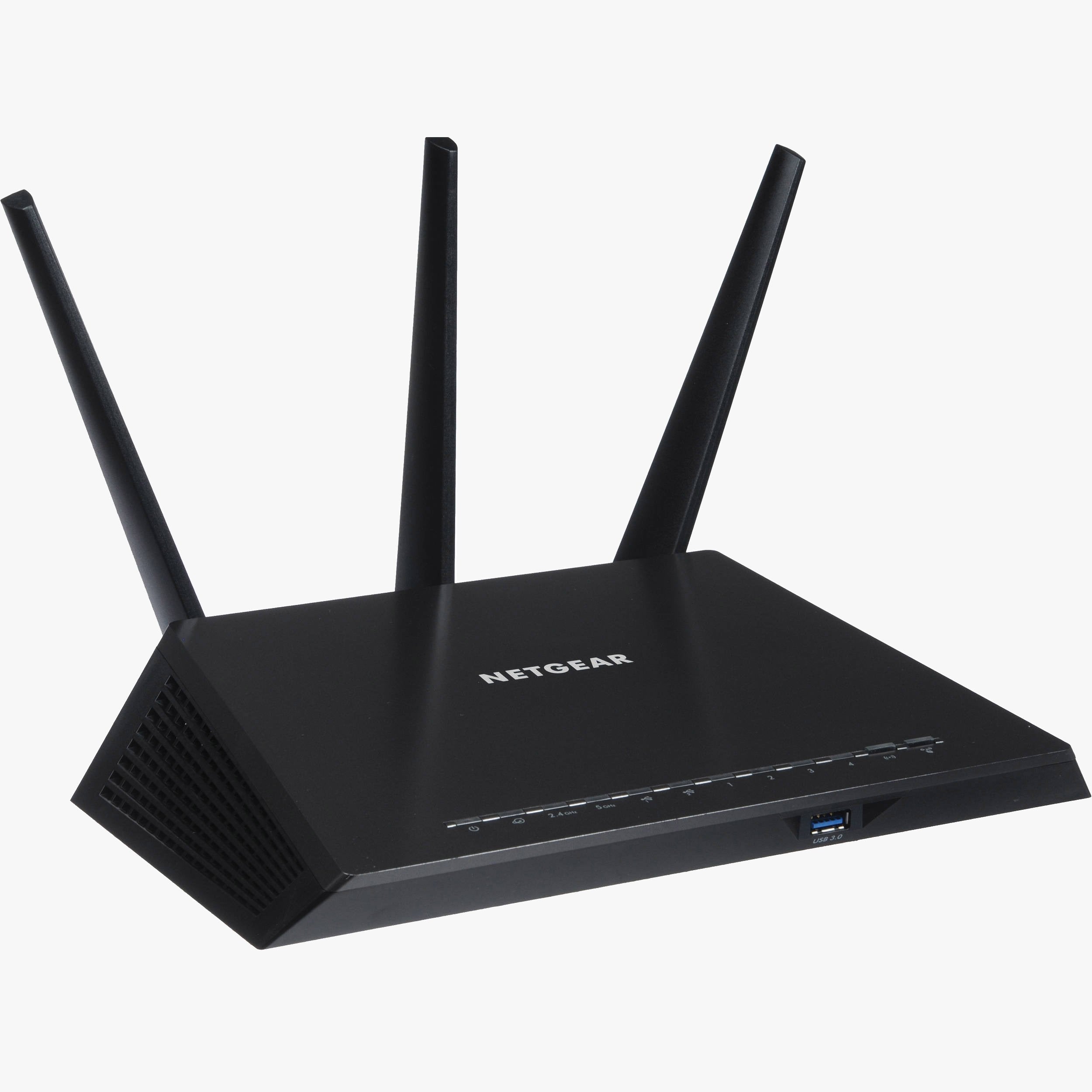


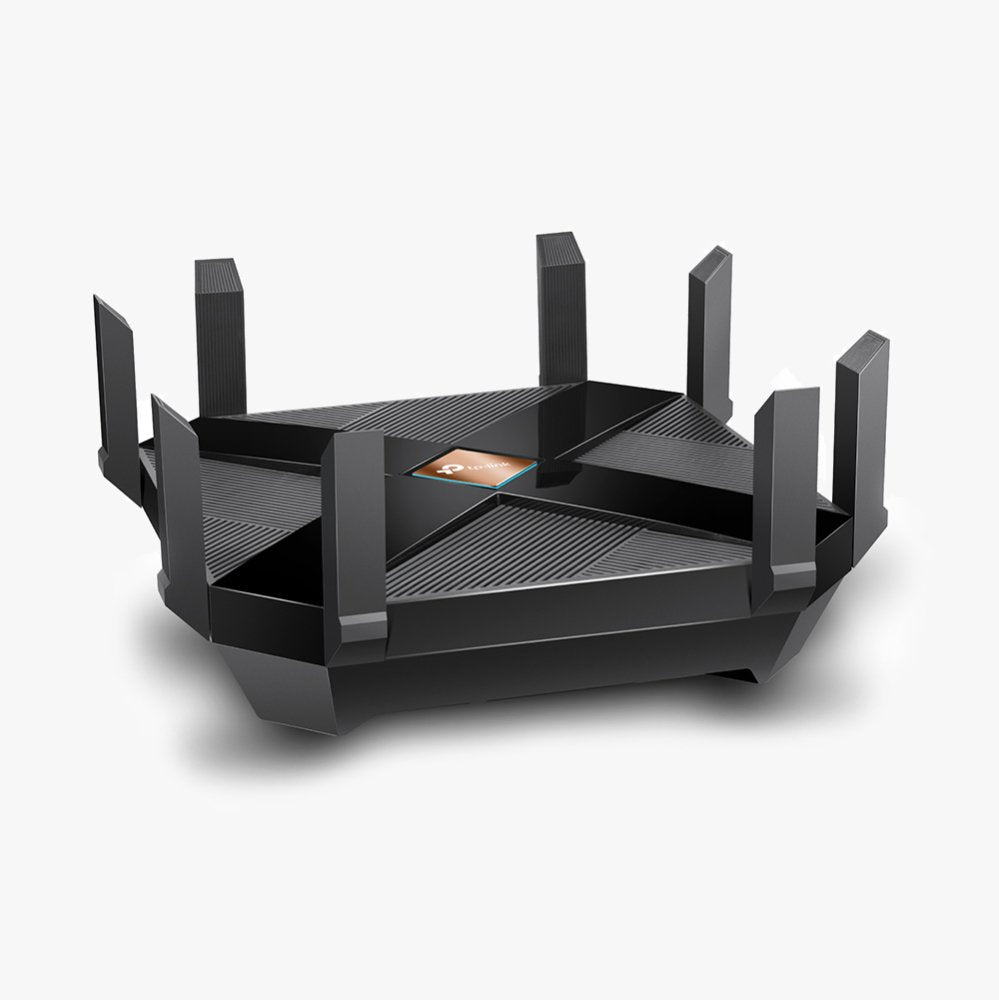


 Wireless Routers
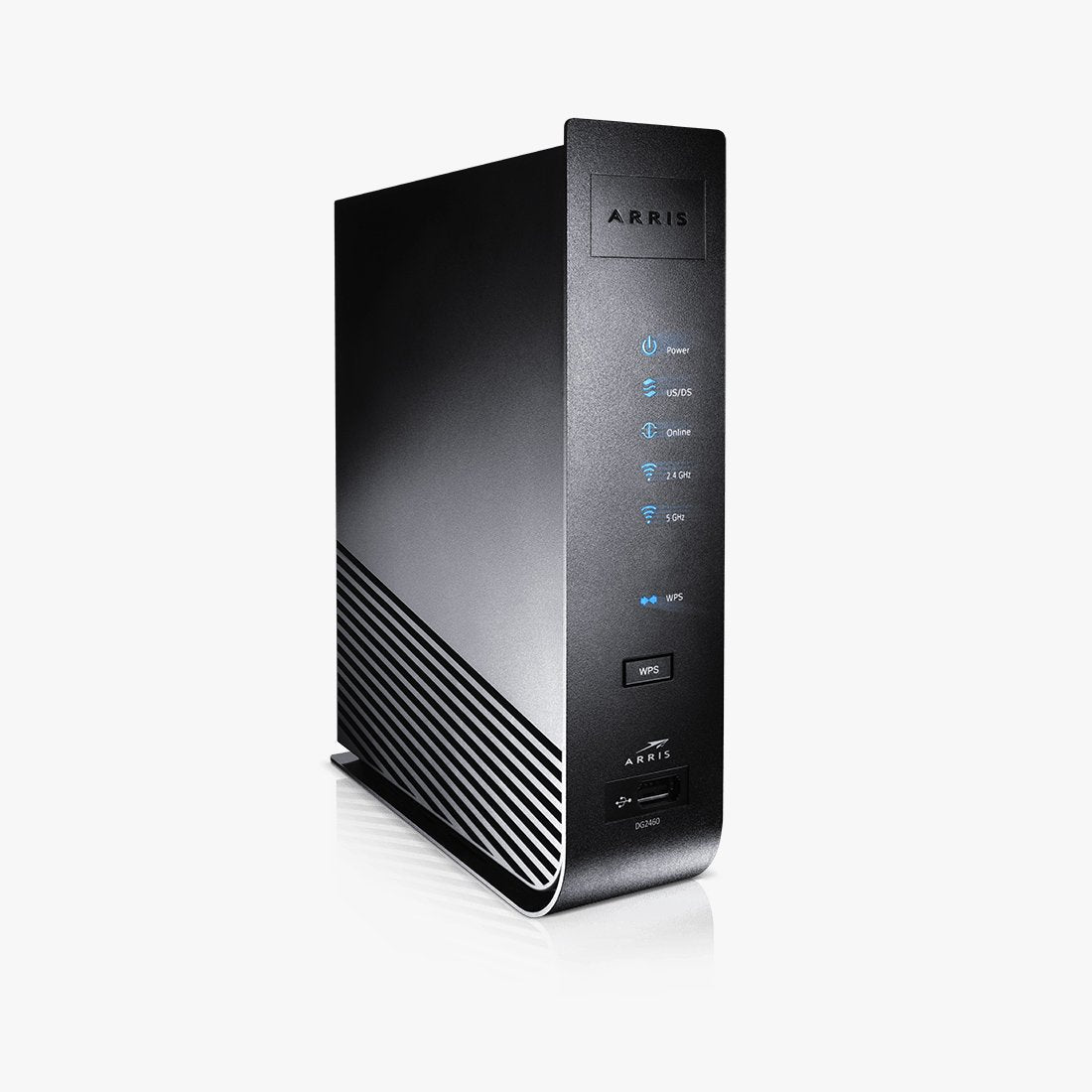 Cable Modems
 DSL Modems
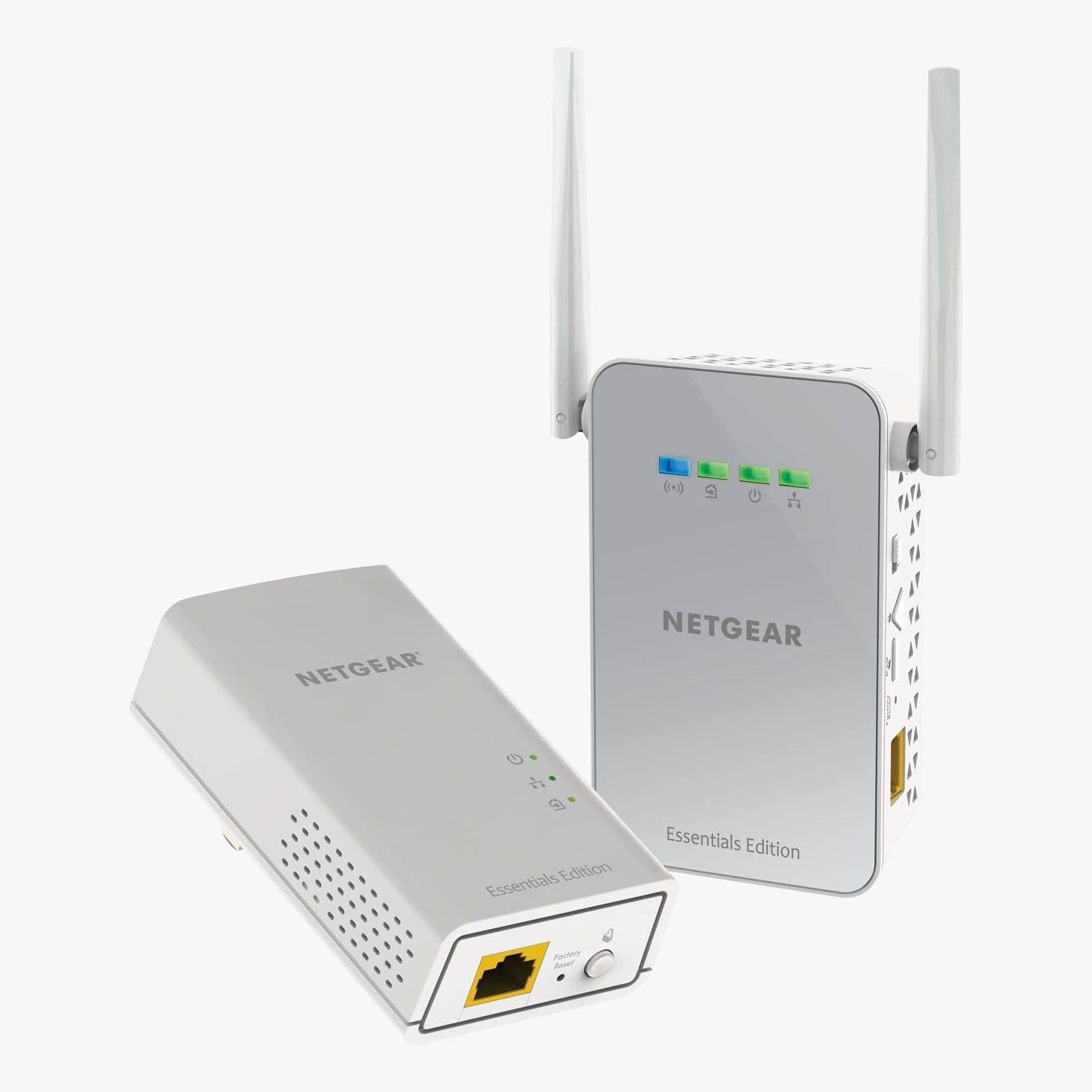 WiFi Range Extenders

